
Laser Eye Surgery for Athletes: A Competitive Edge Beyond 20/20

In sport, every fraction of a second counts. Whether you’re a weekend runner, a keen golfer, a cyclist, or a competitive athlete, clear and reliable vision plays an important role in performance.
For many active people, glasses can fog up, slip during exercise or interfere with protective equipment. Contact lenses may become uncomfortable in windy or dusty conditions, or occasionally move during high-intensity activity.
If you’ve wondered, “Can laser eye surgery correct my astigmatism?” or “Will I still need glasses after laser eye surgery?” the answer for many suitable candidates is yes—laser vision correction can significantly reduce dependence on glasses or contact lenses. The most appropriate procedure, however, depends on your eyes, lifestyle and the type of sport you play.
Here’s how modern refractive surgery can help active Australians enjoy clear vision with greater freedom.
The Performance Advantage: More Than Just Seeing Clearly
For athletes, good vision is about more than reading the scoreboard. Stable, clear vision can make training and competition more comfortable by removing the inconvenience of glasses or contact lenses.
Potential benefits include:
Wider Peripheral Awareness
Glasses frames can partially obstruct peripheral vision, particularly during sports requiring a wide field of view.
Stable Visual Clarity
Without glasses slipping or contact lenses drying or rotating, many athletes appreciate more consistent vision throughout training and competition.
Greater Convenience
Whether you’re running through rain, cycling into a headwind or playing a full round of golf, not needing corrective eyewear can simplify your routine.

Choosing the Right Procedure for Your Sport
No single procedure is best for everyone. The ideal laser eye surgery option depends on your prescription, corneal measurements, eye health, lifestyle and sporting activities.
CLEAR® (Corneal Lenticule Extraction for Advanced Refractive Surgery)
The benefit
A minimally invasive, flap-free laser vision correction procedure.
Why many active people choose CLEAR®
Because CLEAR® does not involve creating a corneal flap, there is no risk of flap displacement following accidental eye trauma. The procedure also preserves more of the cornea’s natural biomechanical structure than flap-based LASIK and is generally associated with less post-operative dry eye. These features make it an attractive option for runners, cyclists, hikers and many other active individuals.

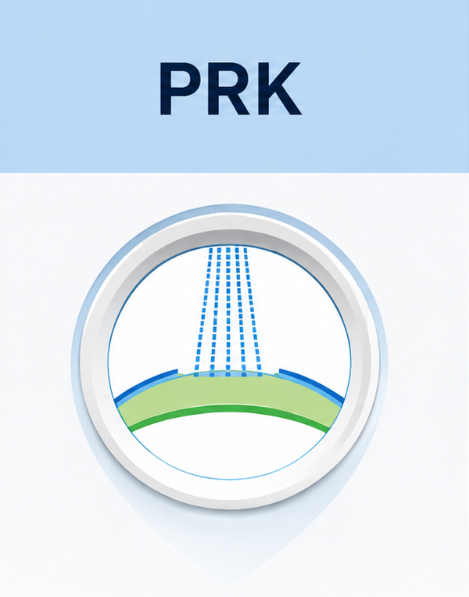
PRK (Photorefractive Keratectomy)
The benefit
A surface laser treatment that does not require creation of a corneal flap.
Why it remains an excellent option
PRK has a longer initial recovery period than LASIK or CLEAR®, but because there is no corneal flap, it is often recommended for people involved in high-impact or contact sports such as martial arts, boxing, rugby or Australian Rules football.
LASIK
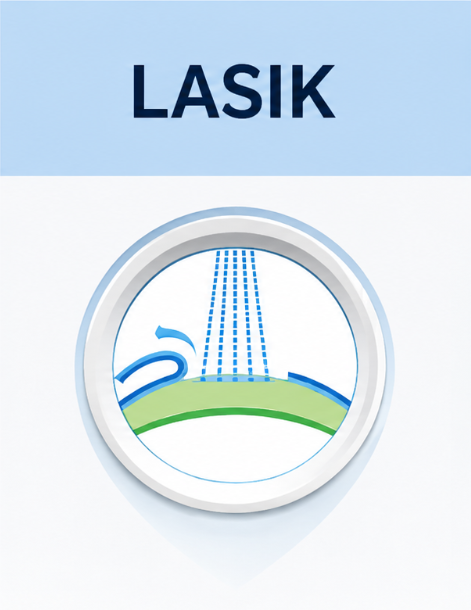
The benefit
Rapid visual recovery for many suitable patients.
Why many athletes still choose LASIK
LASIK remains an excellent option for many people participating in non-contact sports. Many patients achieve functional vision within a day or two, allowing a relatively quick return to normal daily activities. Although LASIK involves creating a corneal flap, once healing is complete it provides excellent visual outcomes for appropriately selected patients.
Frequently Asked Questions
Will laser eye surgery get rid of my glasses?
For many suitable candidates, laser vision correction can significantly reduce—and in many cases eliminate—the need for glasses for everyday activities. The exact outcome depends on your prescription, age and the overall health of your eyes. During your assessment, your surgeon will discuss the level of glasses independence you can realistically expect.
Can laser eye surgery correct astigmatism?
Yes. Modern laser vision correction can effectively treat many types of astigmatism. For athletes, this can provide stable vision without the possibility of contact lenses rotating during rapid movement and causing fluctuating blur.
Returning to Sport
Every recovery is different, and your surgeon will provide personalised advice based on the procedure performed and your individual healing.
Following CLEAR® or LASIK
- First 24–48 hours: Rest and recovery
- Several days: Light exercise may be resumed as advised by your surgeon
- Around four weeks: Swimming and contact sports are often permitted
Following PRK
- First week: Recovery while the surface of the cornea heals
- Following weeks: Gradual return to exercise as vision stabilises
- Around four weeks: Contact sports are often permitted
Sports That Commonly Benefit
Laser vision correction may be particularly appealing for people participating in:
- Running
- Cycling
- Tennis
- Cricket
- Golf
- Triathlon
- Football
- Rugby
- Martial arts
- Gym and fitness training
Many patients simply enjoy not having to think about glasses or contact lenses while training or competing.
Your Athlete Vision Assessment
Every athlete’s eyes—and every sport’s visual demands—are different.
At Focus Vision, your consultation is a comprehensive vision assessment tailored to your eyes, lifestyle and sporting goals. Using advanced diagnostic technology, we evaluate your prescription, corneal shape and thickness, overall eye health and suitability for each available procedure before recommending the safest and most appropriate treatment.
Whether you’re preparing for your next marathon, weekend golf competition or elite sporting season, our aim is to help you achieve the best possible vision for your individual needs.
If you’re considering laser vision correction, book a comprehensive assessment with our experienced refractive surgeons to find out whether you’re a suitable candidate and which procedure is right for you.
Ready to learn more? Contact Focus Vision today to book your comprehensive laser vision assessment.
Have a specific event coming up? Call us on 07 3239 5005, and we can help time your surgery so you’re fully healed for your next big match.
Frequently Asked Questions
Which laser eye surgery is best for athletes?
There isn't a single procedure that's best for everyone. The most suitable option depends on your prescription, corneal measurements, eye health and the type of sport you play. During your assessment, your surgeon will recommend the procedure that offers the best balance of safety, visual outcomes and recovery for your individual needs.
Can laser eye surgery correct astigmatism?
Yes. Modern laser vision correction can effectively treat many types of astigmatism. Correcting astigmatism can improve the clarity and stability of your vision, reducing or eliminating your need for glasses or contact lenses for many everyday activities.
How soon can I return to sport after laser eye surgery?
Recovery varies depending on the procedure performed and your individual healing. Many patients can return to light exercise within several days, while swimming and contact sports usually require a longer recovery period. Your surgeon will provide personalised advice based on your treatment.
Am I suitable for laser eye surgery?
Suitability can only be determined after a comprehensive assessment. During your consultation, we evaluate your prescription, corneal shape and thickness, eye health and lifestyle to determine whether laser vision correction is appropriate and which procedure is likely to provide the safest and best outcome.
